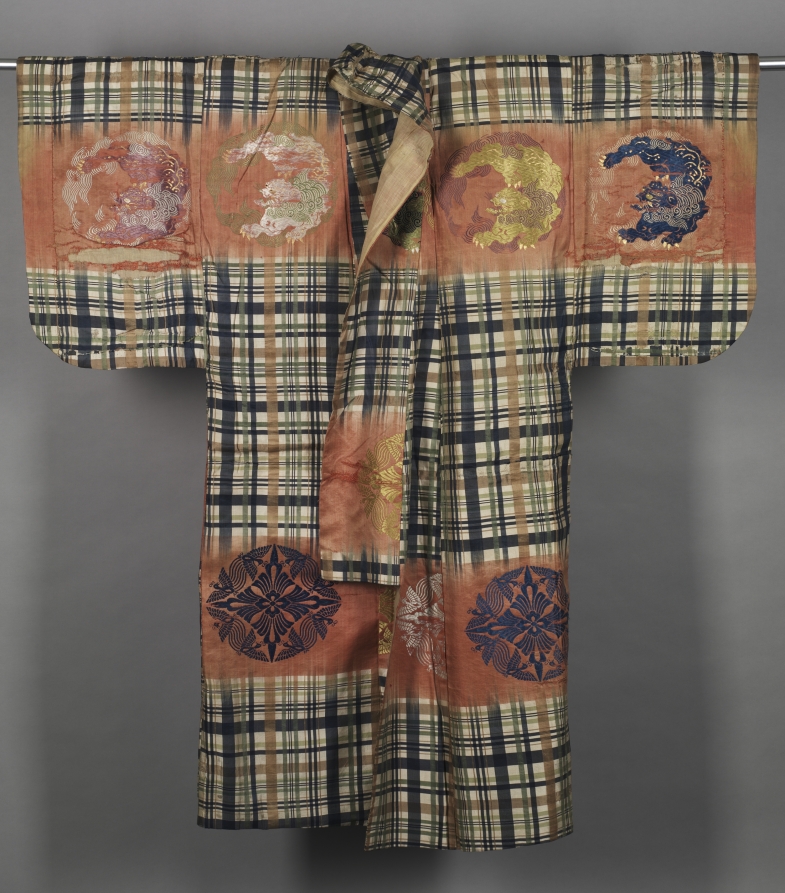
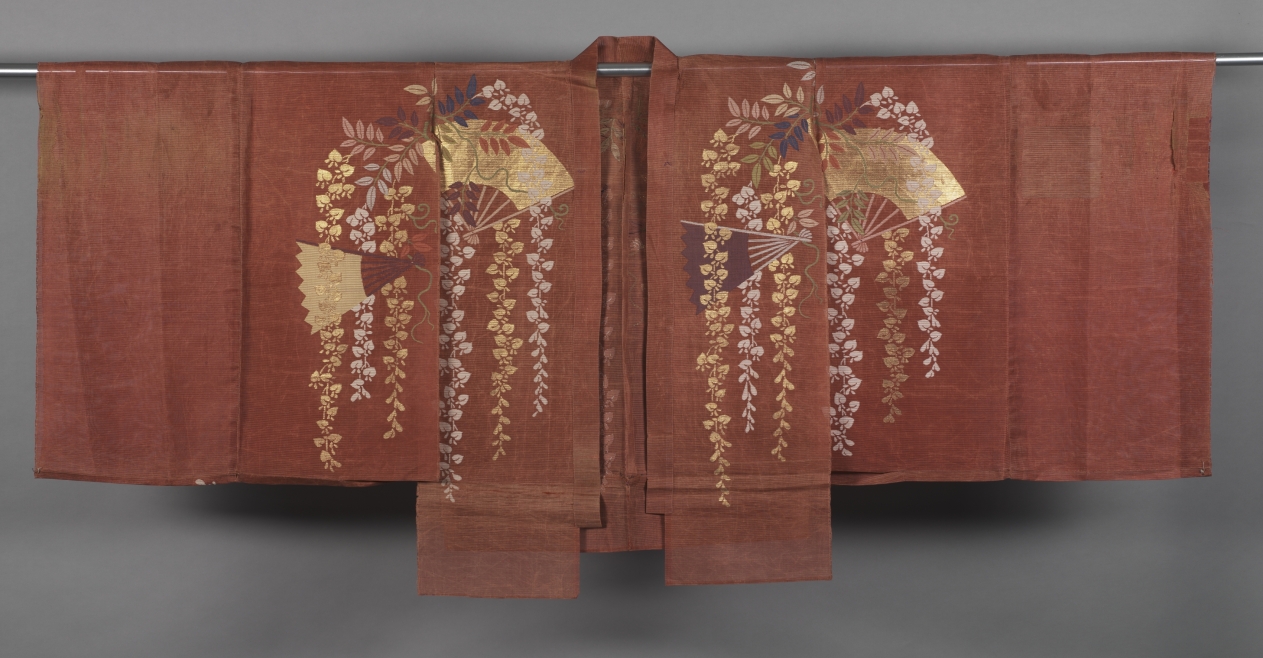
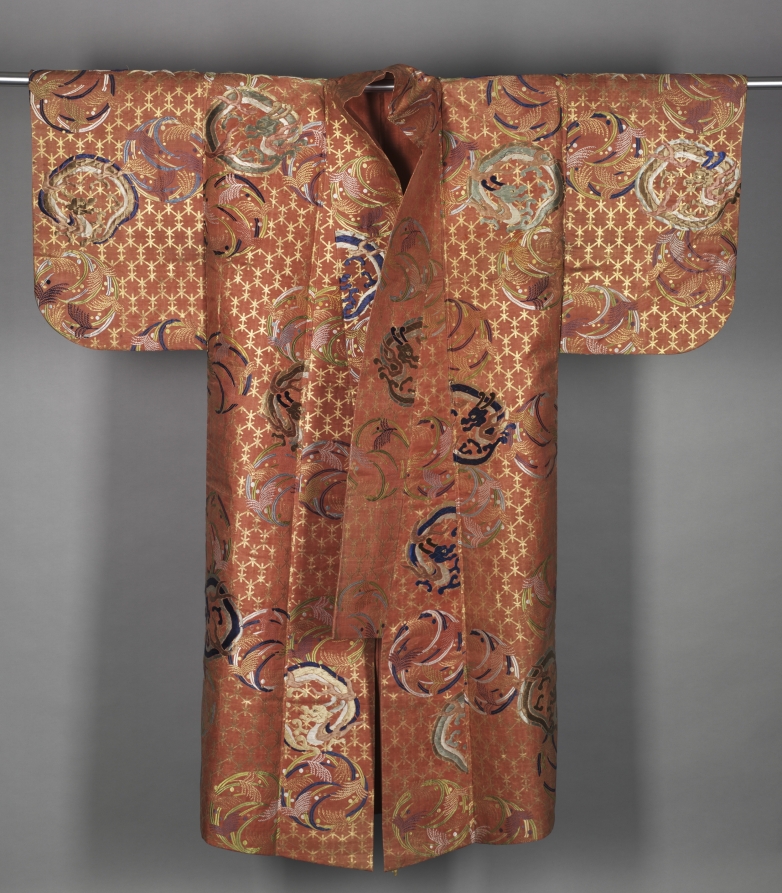
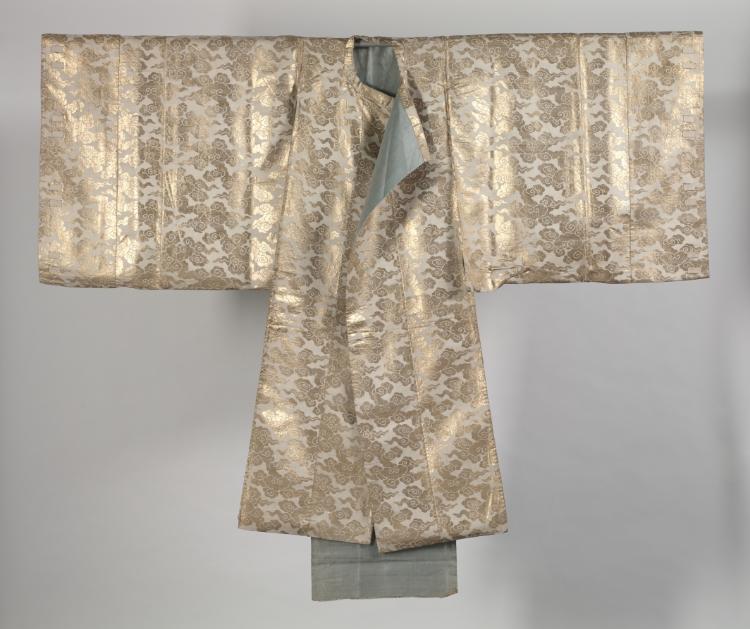
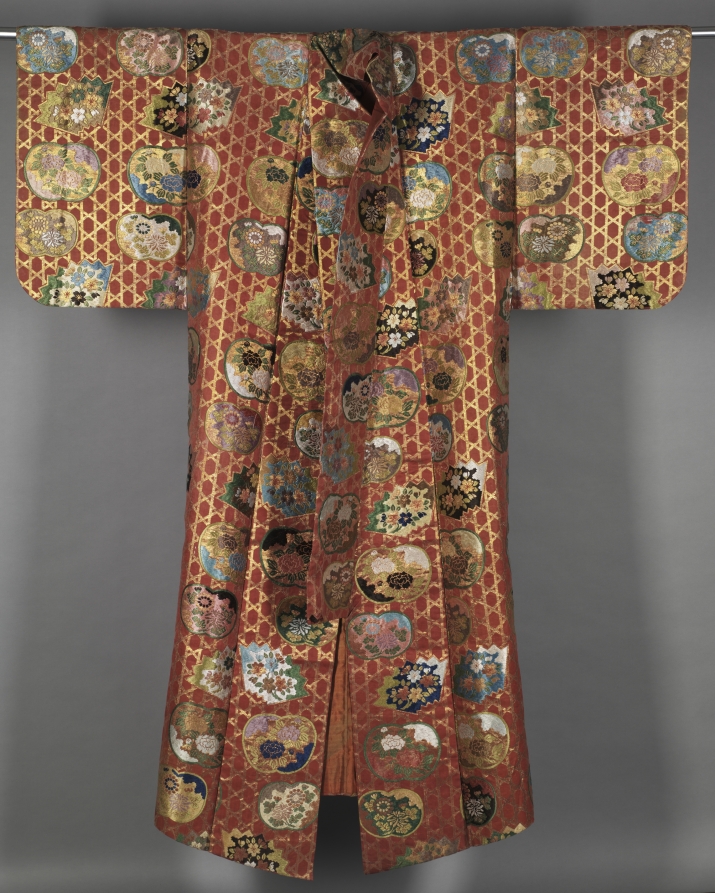
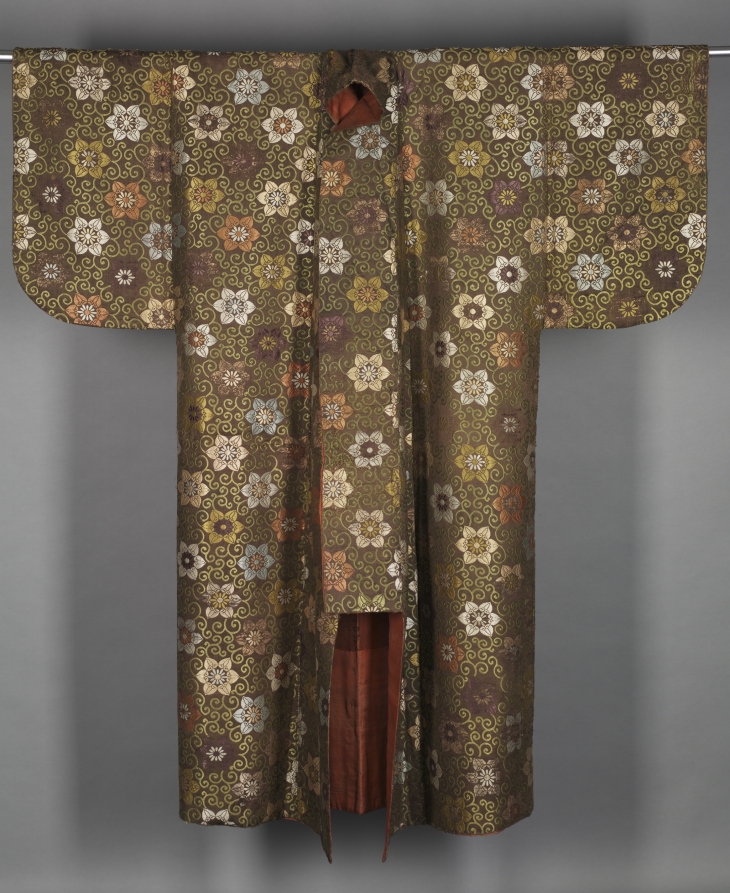
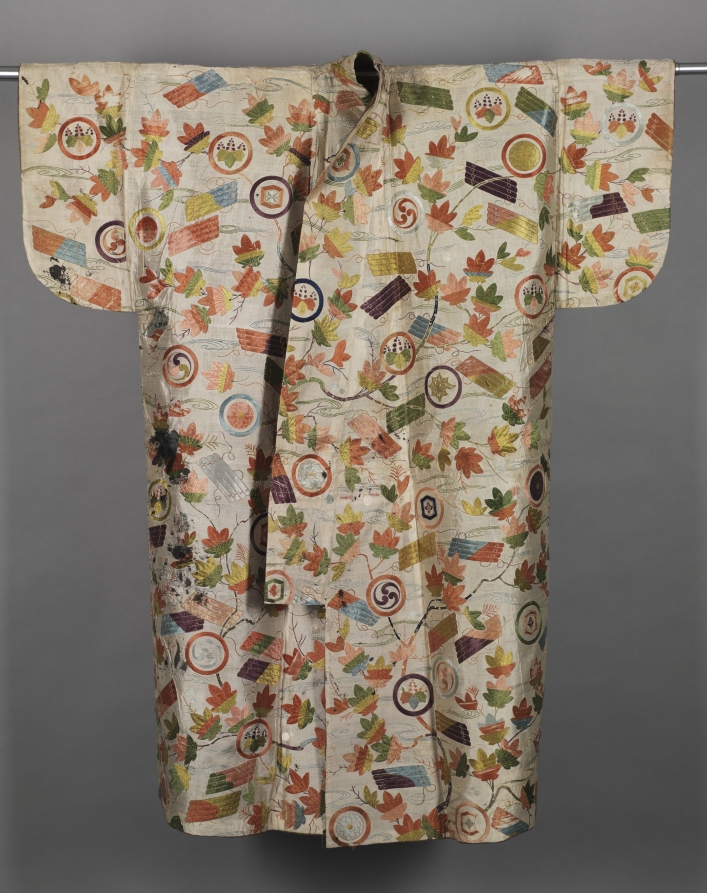
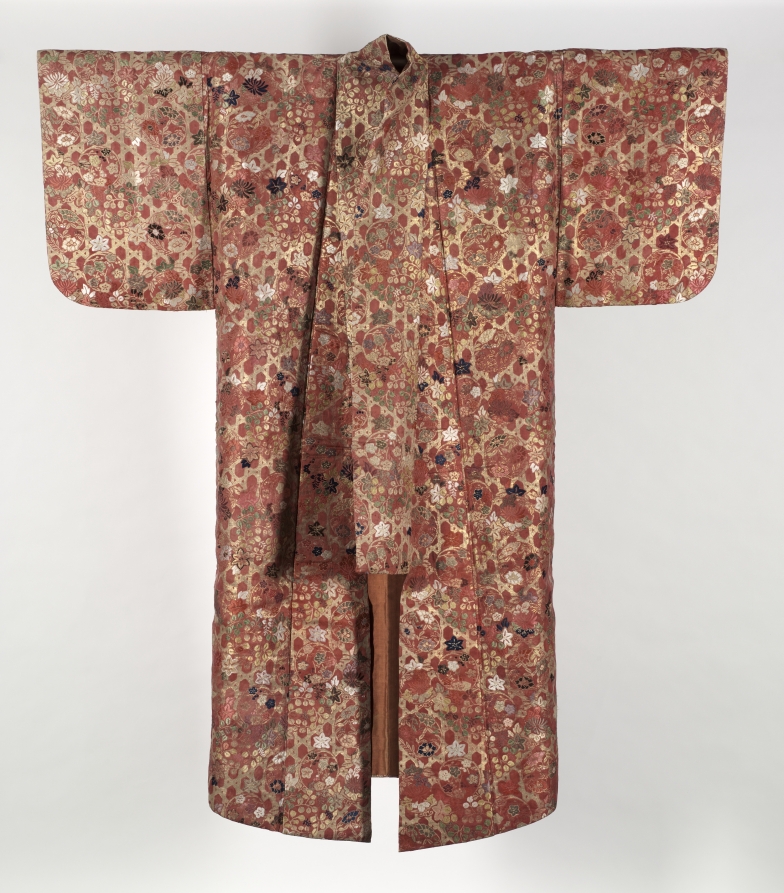
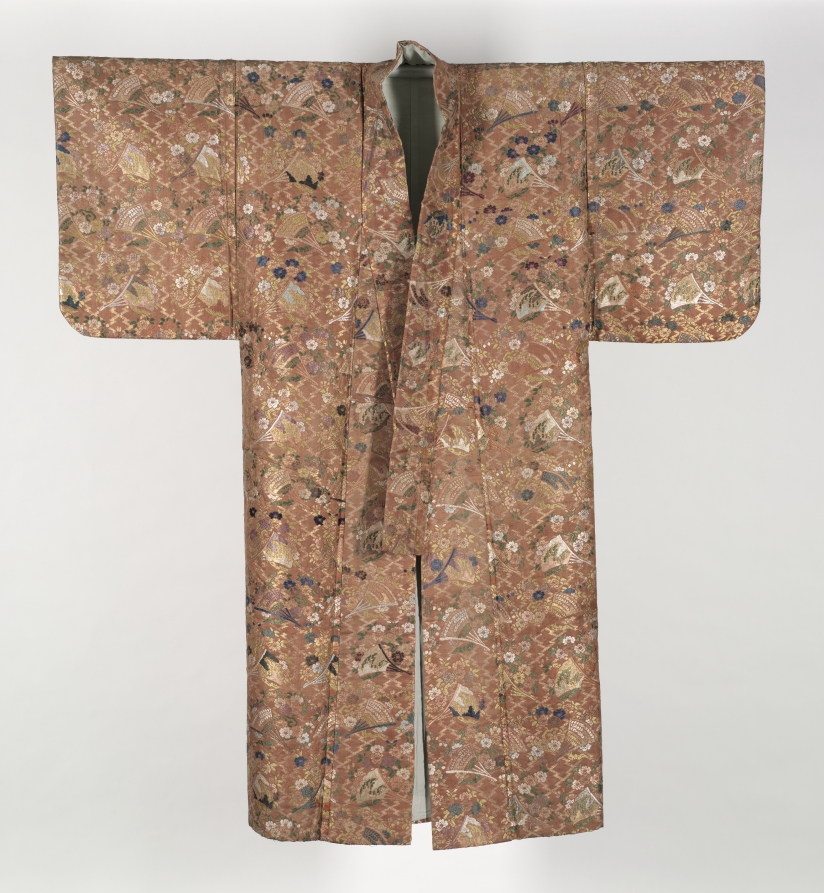
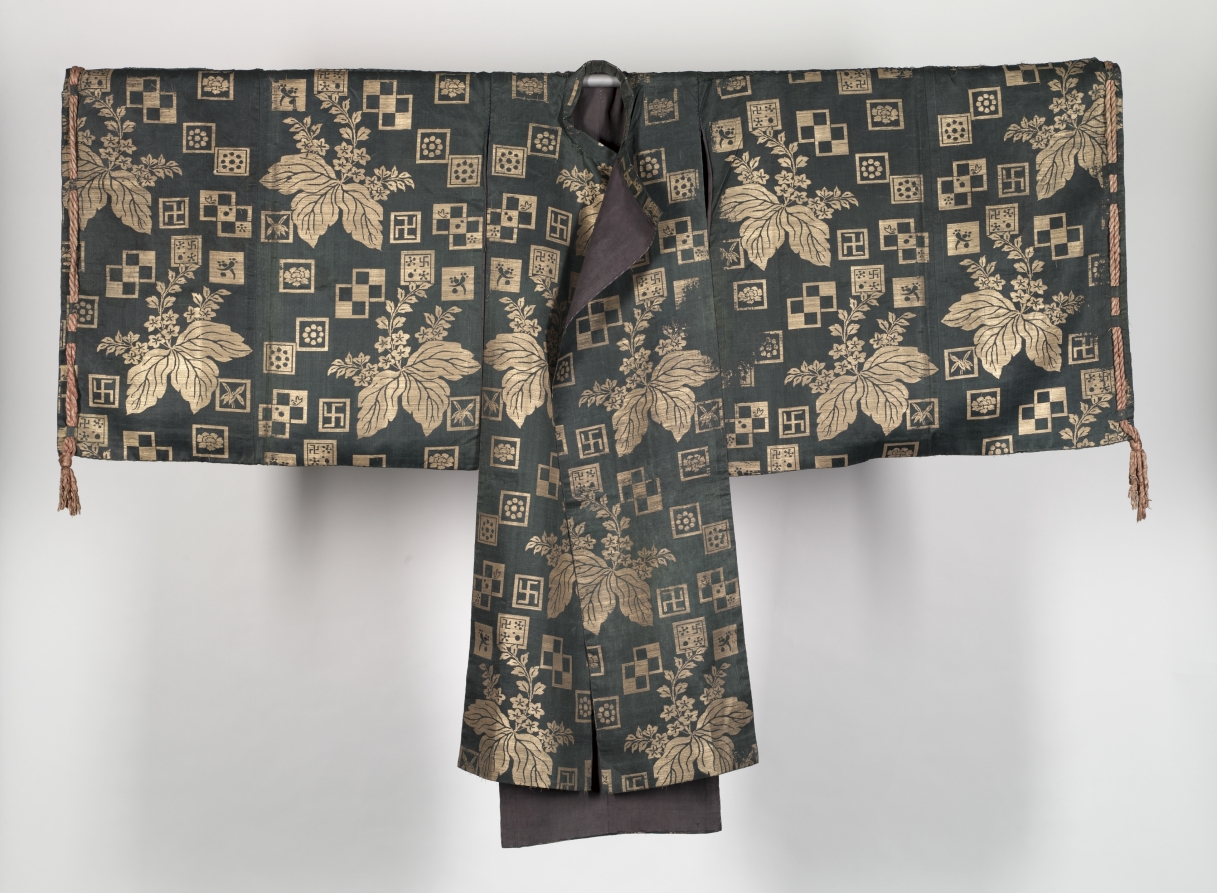
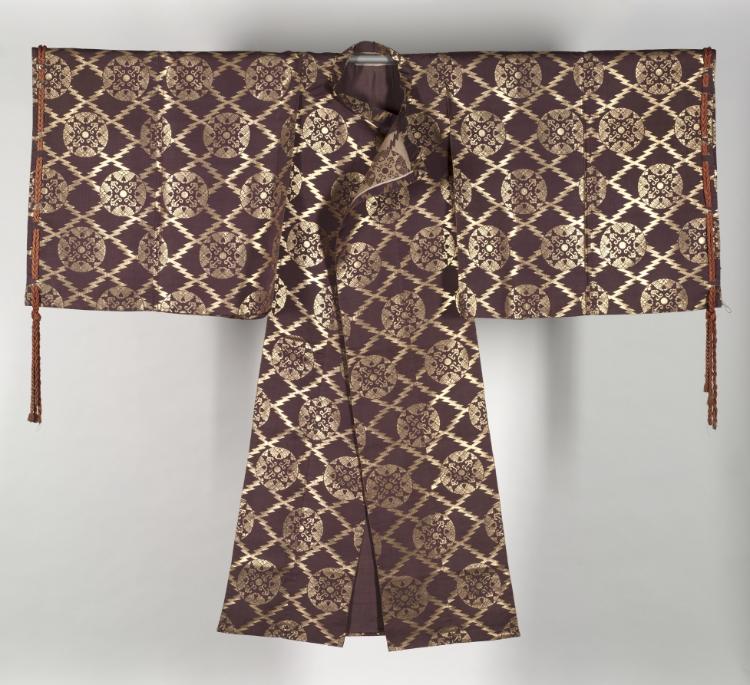
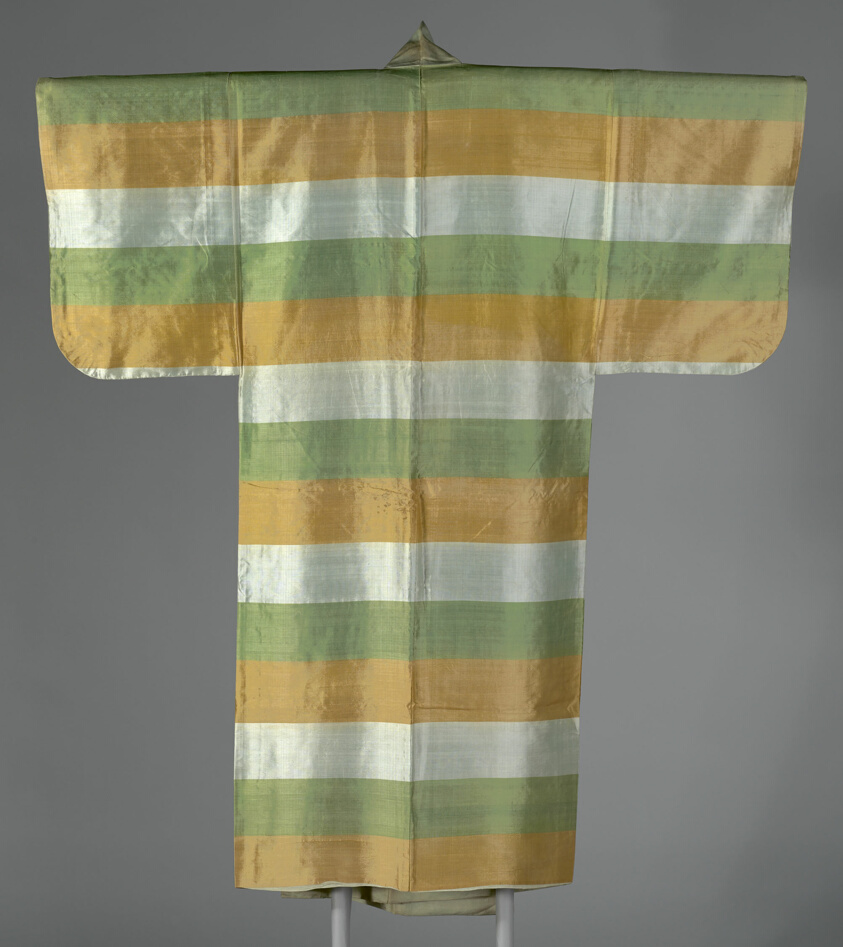
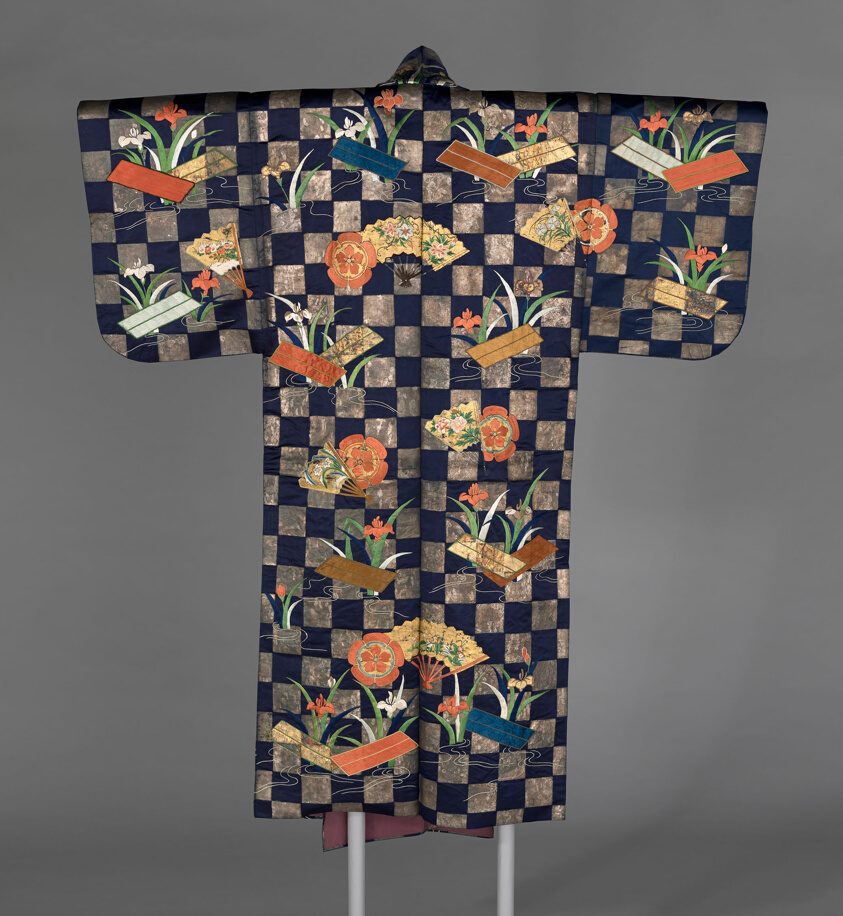
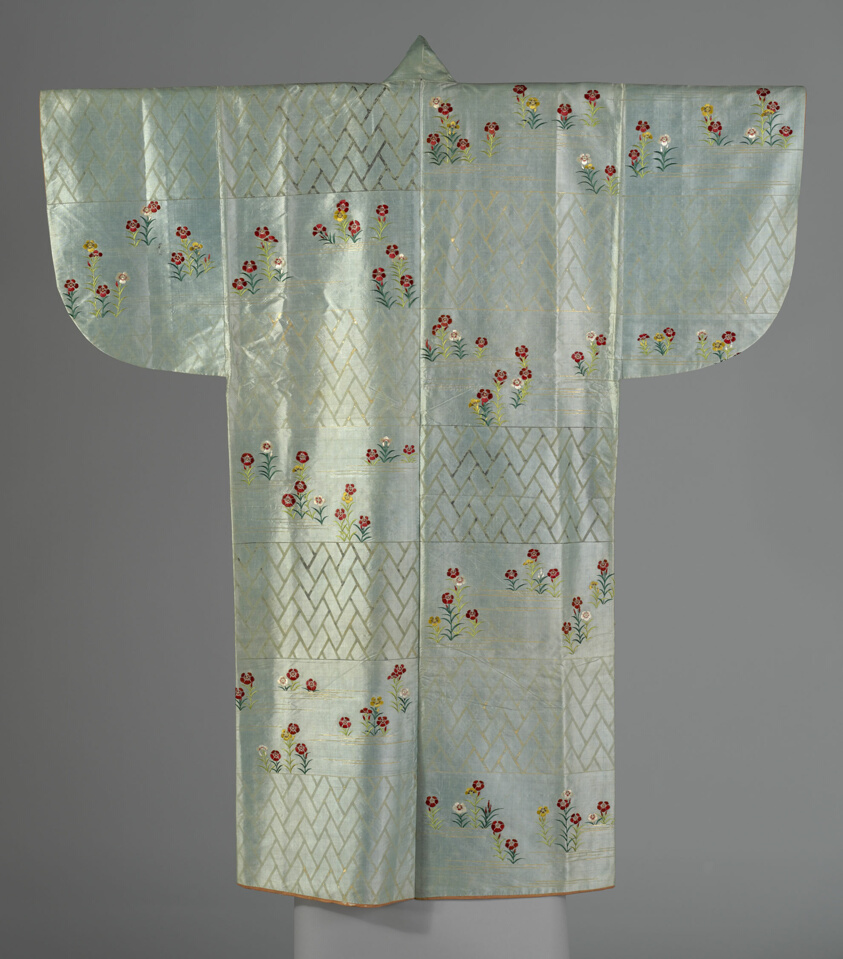
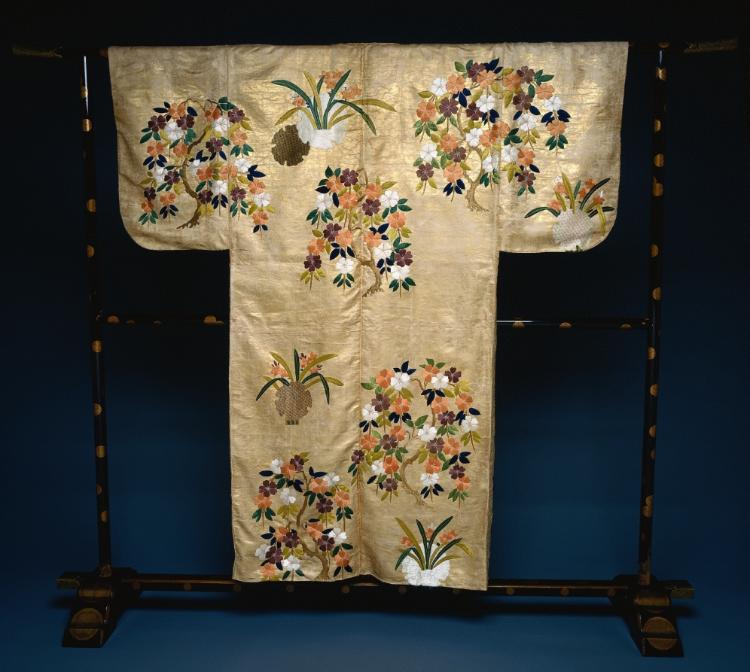
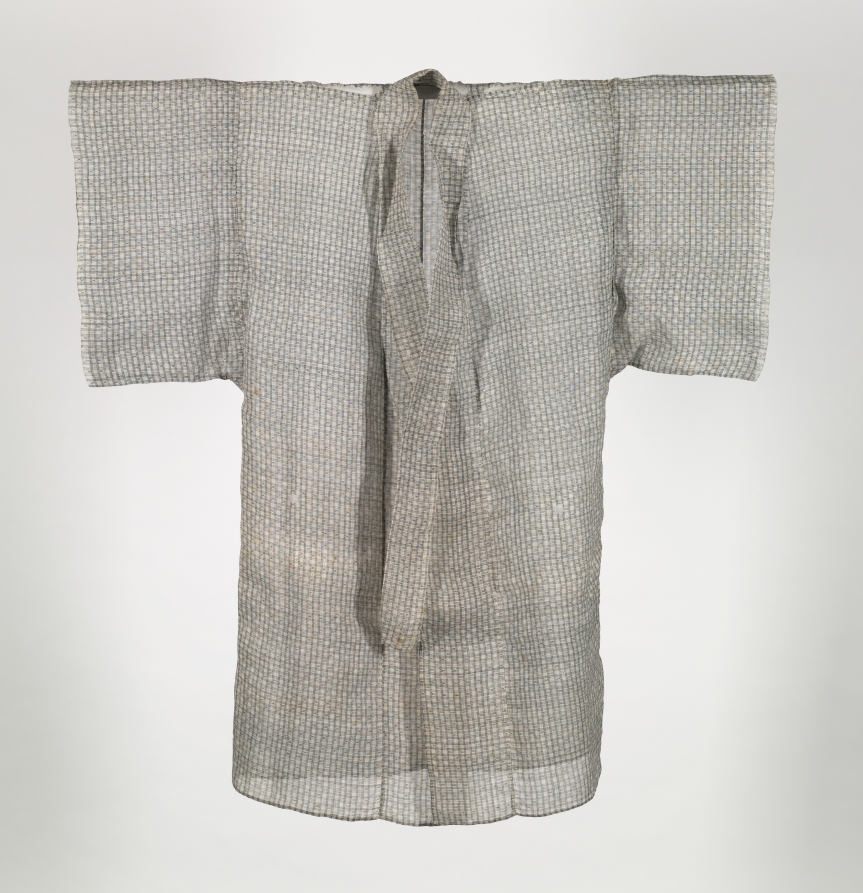
These objects are all elaborate silk costumes (including nuihaku, karaori, kariginu, and other types) used in traditional Japanese Noh theater performances, primarily from the Edo period.
22 objects · 3 institutions
Noh Costume (Atsuita)
Cleveland Museum of Art
1800–1850
Noh Costume (Chōken)
Cleveland Museum of Art
1800–1850
Noh Costume (Karaori) with Dragon and Rice with Dew Roundels
Cleveland Museum of Art
early 1700s
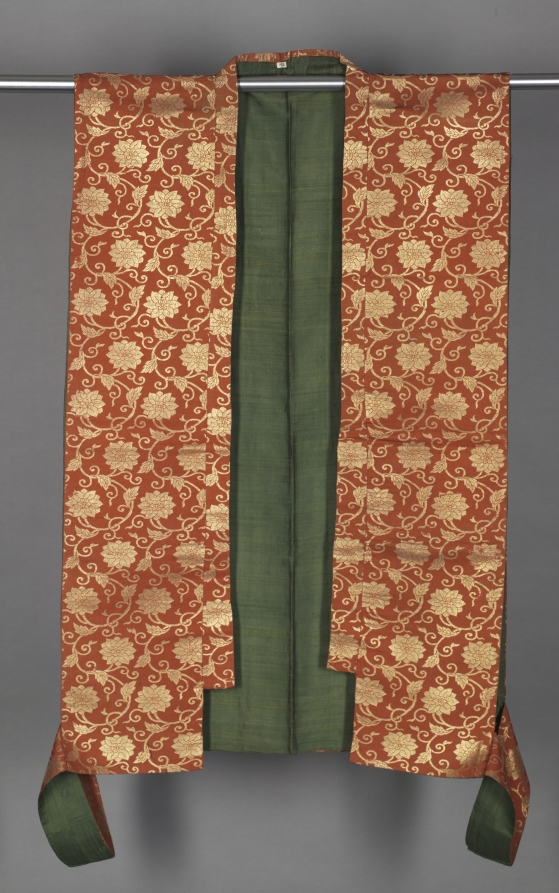
Noh Costume (Kariginu)
Cleveland Museum of Art
1800–1850
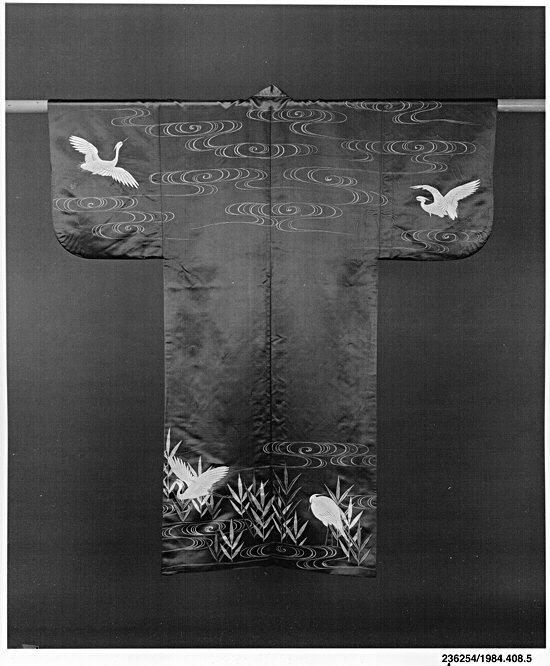
Noh Costume (Nuihaku) with Egrets
Metropolitan Museum of Art
Noh Costume (Sobatsugi) with Peonies
Cleveland Museum of Art
1800–1850
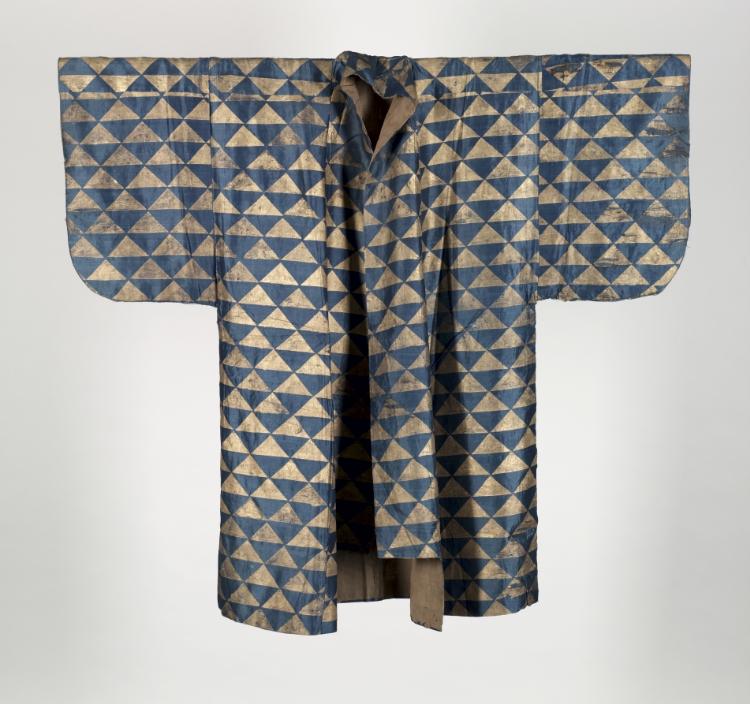
Noh Costume (Surihaku) with Fish-Scale Pattern
Cleveland Museum of Art
1800–1850
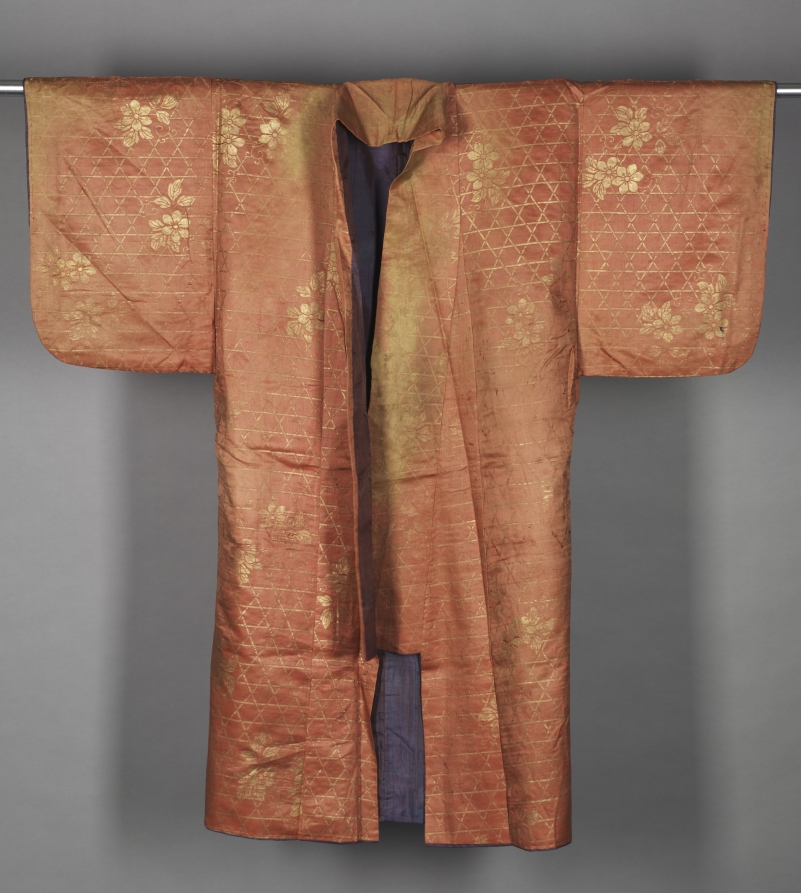
Noh Costume (Surihaku) with Flowers in Fence
Cleveland Museum of Art
1800–1850
Noh Robe (Karaori)
Cleveland Museum of Art
1800–1850
Noh Robe (Karaori)
Cleveland Museum of Art
1800–1850
Noh Robe (Karaori)
Cleveland Museum of Art
c. 1600
Noh Robe (Karaori)
Cleveland Museum of Art
1800–1850
Noh Robe (Karaori)
Cleveland Museum of Art
1800–1850
Noh Robe (Kariginu)
Cleveland Museum of Art
1800–1850
Noh Robe (Kariginu)
Cleveland Museum of Art
1800–1850
IIIF
Noshime (Male Noh Costume)
Art Institute of Chicago
2nd half of the 18th century
IIIF
Nuihaku (Noh Costume)
Art Institute of Chicago
18th century , Edo period (1615–1868)
(additional patterning added early 19th century)
IIIF
Nuihaku (Noh Costume)
Art Institute of Chicago
late 17th/ early 18th century
IIIF
Nuihaku (Noh Costume)
Art Institute of Chicago
Late Edo period (1789–1868), 1801-25
Nō Costume (Nuihaku) with Blossoming Trees and Flowers